Ioan Andricioaei, Robert B Best, Robert R Birge, Stefan Boresch, Axel Brunger, Bernard R. Brooks, Matthias Buck, Rafael Brüschweiler, Amedeo Caflisch, David A. Case, Qiang Cui, Annick Dejaegere, Aaron R. Dinner, Ron Elber, Jeffrey D Evanseck, Jiali Gao, Hua Guo, Roderick E Hubbard, John Kuriyan, Diane Joseph-McCarthy, Ronald Levy, Lennart Nilsson, Carla Mattos, Alexander D. MacKerell, J Andrew McCammon, Stephen W Michnick, Adrian Mulholland, Markus Meuwly, Richard W. Pastor, Nathalie Reuter, Benoît Roux, Andrej Sali, Tamar Schlick, Jeremy C Smith, Roland H Stote, John E Straub, Antoine Taly, Arjan van der Vaart, Shunzhou Wan, Michael A Weiss, Wei Yang, Darrin M. York [ ] , Yaoqi Zhou
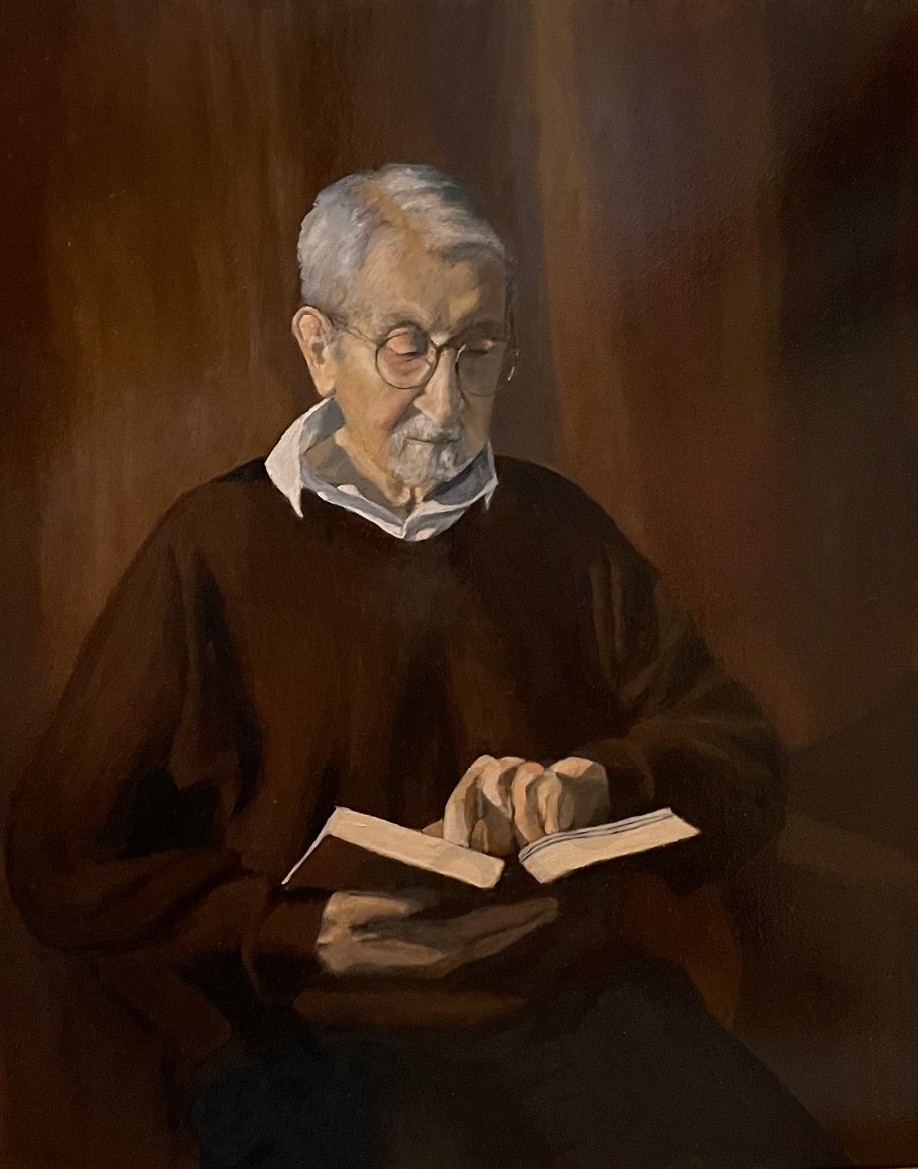
<p>The work of Martin Karplus, who passed away on Dec 28 2024, was at the forefront of computational chemistry and molecular biophysics for a period of more than sixty years. His career started with a PhD in theoretical chemistry at Caltech with Linus Pauling in 1953 . After performing leading research in molecular quantum chemistry for two decades, in the 1970s he began to incorporate work on biological systems, and his work was instrumental in creating modern computational molecular biophysics. In 2013, he was awarded the Nobel Prize together with Arieh Warshel and Michael Levitt “for the development of multiscale models for complex chemical systems”. This article aims at briefly reviewing the main achievements of the research performed in the Karplus lab from the point of view of the people working under his unique mentorship.</p>